MEAW TMJ Research Society
홈 › 턱관절 증상 › 턱 통증

턱 통증

씹을 때 생기는 턱의 통증은 아픈 위치에 따라 원인이 다릅니다.

귀 앞 통증과 볼 통증

턱관절 장애는 흔합니다. 27편의 연구 분석에 따르면 30%에서 턱관절 장애가 있었고, 여성(37%)이 남성(27%)보다 많았습니다.1

턱 통증은 관절성 통증과 근육성 통증으로 나눕니다. 같은 분석에서 근육의 통증(37%)이 관절의 통증(17%)보다 빈번했습니다.1 두 가지가 함께 있는 경우도 있어, 검사는 관절과 저작근을 눌러서 확인하는 촉진검사로 시작합니다.2

증상에 대한 자세한 문진과 손으로 눌러 보는 촉진 검사 등을 이용하여 통증이 있는 턱관절 장애를 진단할 수 있습니다.3

귀 앞을 손으로 짚고 있는 사람 그림
귀 바로 앞을 눌러 아프면 관절 쪽 통증일 가능성이 큽니다.
귀 바로 앞

관절이 아픈 경우

입을 벌리거나 씹을 때 귀 앞의 한 점에 통증이 나타납니다. 관절의 통증은 눌러 보는 검사로 92%를 가려낼 수 있습니다.4

볼 · 관자놀이

근육이 아픈 경우

볼과 관자놀이에 넓고 둔한 통증이 나타나는 경우입니다. 씹을 때 쉽게 피로하고, 통증이 관자놀이나 귀로 번져 느껴지기도 합니다.5

관절의 통증과 근육의 통증

관절성 통증은 관절에 염증이나 부담이 생긴 상태입니다. 씹을 때 귀 앞이 아픕니다.

디스크(관절원판)의 위치가 어긋나 있어도 아프지 않은 경우도 많습니다. 증상이 없는 사람의 35%에서도 MRI에서 디스크가 어긋나 있었습니다.6

근육성 통증은 이를 물고 있는 습관, 스트레스, 수면의 질과 함께 생기거나 심해지는 경우가 많습니다.7, 8

원인이 다르면 치료 방향도 달라지므로, 어느 쪽인지 구분하는 검사가 먼저입니다.
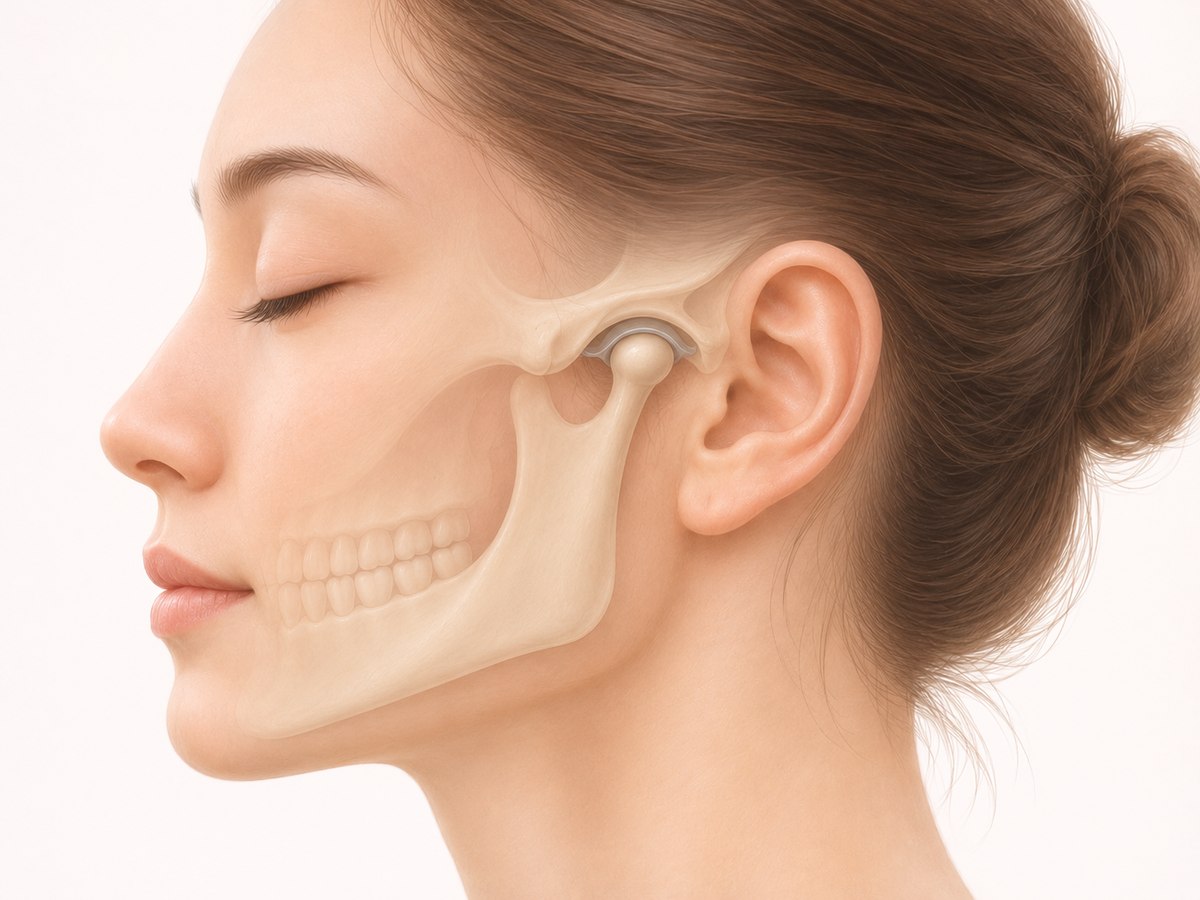
옆얼굴에 아래턱 뼈와 턱관절이 비쳐 보이는 그림
턱관절의 구조. 아래턱 뼈의 둥근 머리와 두개골 사이에 회색 관절원판(디스크)이 끼어 있습니다.

진료가 필요한 턱 통증

새로 생긴 턱 통증은 대부분 가볍거나 중간 정도입니다.9 아래와 같은 통증은 오래갈 가능성이 커서 일찍 확인합니다.

01

통증이 강하거나 항상 있는 통증

통증이 강하거나, 쉬어도 지속되거나, 식사와 대화에 지장을 주는 경우에는 만성으로 넘어갈 가능성이 높았습니다.10

02

반복되는 통증

씹는 근육의 통증을 5년 동안 지켜본 연구가 있습니다. 3분의 1은 사라졌고 3분의 1은 이어졌으며, 나머지는 좋아졌다 나빠지기를 되풀이했습니다.11

자가 관리와 첫 치료

부드러운 식사로 턱을 쉬게 하고, 이를 물고 있는 습관을 줄이고, 턱 운동(스트레칭)을 합니다. 이런 자가 관리와 교육이 3개월 넘게 이어지는 턱 통증의 초기 치료로 권고됩니다.12 움직임을 늘리고 스스로 대처하도록 돕는 치료가 효과적이었습니다.13

통증이 있을 때 입을 반복해서 크게 벌리거나 소리를 확인하는 동작은 피합니다.

참고문헌

  1. Alqutaibi AY, Alhammadi MS, Hamadallah HH, et al. Global prevalence of temporomandibular disorders: a systematic review and meta-analysis. J Oral Facial Pain Headache. 2025;39(2):48–65.
  2. Manfredini D, Guarda-Nardini L, Winocur E, et al. Research diagnostic criteria for temporomandibular disorders: a systematic review of axis I epidemiologic findings. Oral Surg Oral Med Oral Pathol Oral Radiol Endod. 2011;112(4):453–462.
  3. Schiffman E, Ohrbach R, Truelove E, et al. Diagnostic Criteria for Temporomandibular Disorders (DC/TMD) for clinical and research applications. J Oral Facial Pain Headache. 2014;28(1):6–27.
  4. Schiffman EL, Ohrbach R, Truelove EL, et al. The Research Diagnostic Criteria for Temporomandibular Disorders. V: methods used to establish and validate revised Axis I diagnostic algorithms. J Orofac Pain. 2010;24(1):63–78.
  5. Alketbi N, Talaat W. Prevalence and characteristics of referred pain in patients diagnosed with temporomandibular disorders according to the Diagnostic Criteria for Temporomandibular Disorders (DC/TMD) in Sharjah, United Arab Emirates. F1000Res. 2022;11:656.
  6. Larheim TA, Westesson P, Sano T. Temporomandibular joint disk displacement: comparison in asymptomatic volunteers and patients. Radiology. 2001;218(2):428–432.
  7. Slade GD, Ohrbach R, Greenspan JD, et al. Painful temporomandibular disorder: decade of discovery from OPPERA studies. J Dent Res. 2016;95(10):1084–1092.
  8. Da-Cas CD, Valesan LF, Nascimento LPD, et al. Risk factors for temporomandibular disorders: a systematic review of cohort studies. Oral Surg Oral Med Oral Pathol Oral Radiol. 2024;138(4):502–515.
  9. Slade GD, Bair E, Greenspan JD, et al. Signs and symptoms of first-onset TMD and sociodemographic predictors of its development: the OPPERA prospective cohort study. J Pain. 2013;14(12 Suppl):T20–T32.
  10. Velly AM, Elsaraj SM, Botros J, et al. The contribution of pain and disability on the transition from acute to chronic pain-related TMD: a 3-month prospective cohort study. Front Pain Res (Lausanne). 2022;3:956117.
  11. Rammelsberg P, LeResche L, Dworkin S, et al. Longitudinal outcome of temporomandibular disorders: a 5-year epidemiologic study of muscle disorders defined by research diagnostic criteria for temporomandibular disorders. J Orofac Pain. 2003;17(1):9–20.
  12. Busse JW, Casassus R, Carrasco-Labra A, et al. Management of chronic pain associated with temporomandibular disorders: a clinical practice guideline. BMJ. 2023;383:e076227.
  13. Yao L, Sadeghirad B, Li M, et al. Management of chronic pain secondary to temporomandibular disorders: a systematic review and network meta-analysis of randomised trials. BMJ. 2023;383:e076226.